A good air conditioning system can provide comfortable heating and cooling for many years. In general, a standard air conditioning system can last around 15 to 20 years when you maintain it properly.
However, there is no fixed lifespan for every system. The type of unit, how often you use it, the quality of the installation, and regular maintenance can all affect how long it continues to work efficiently.
Technology also changes over time. Even when an older air conditioner still works, a newer system may offer better energy efficiency, smarter controls and lower running costs. This can make replacement worthwhile before the old system completely fails.
How Long Do Different Air Conditioning Systems Last?
The expected lifespan varies depending on the type of system.
- Central air conditioning systems can typically last around 15 to 20 years when you maintain them correctly.
- Heat pump systems often last around 10 to 15 years, depending on usage and maintenance.
- Ductless mini-split systems can commonly last around 10 to 20 years with suitable care.
- Window air conditioning units generally last around 8 to 12 years because they often have a shorter operating life.
These figures provide a general guide rather than a guarantee. A well-maintained system may last longer, while a poorly maintained unit may develop problems much sooner.
What Affects the Lifespan of an Air Conditioner?
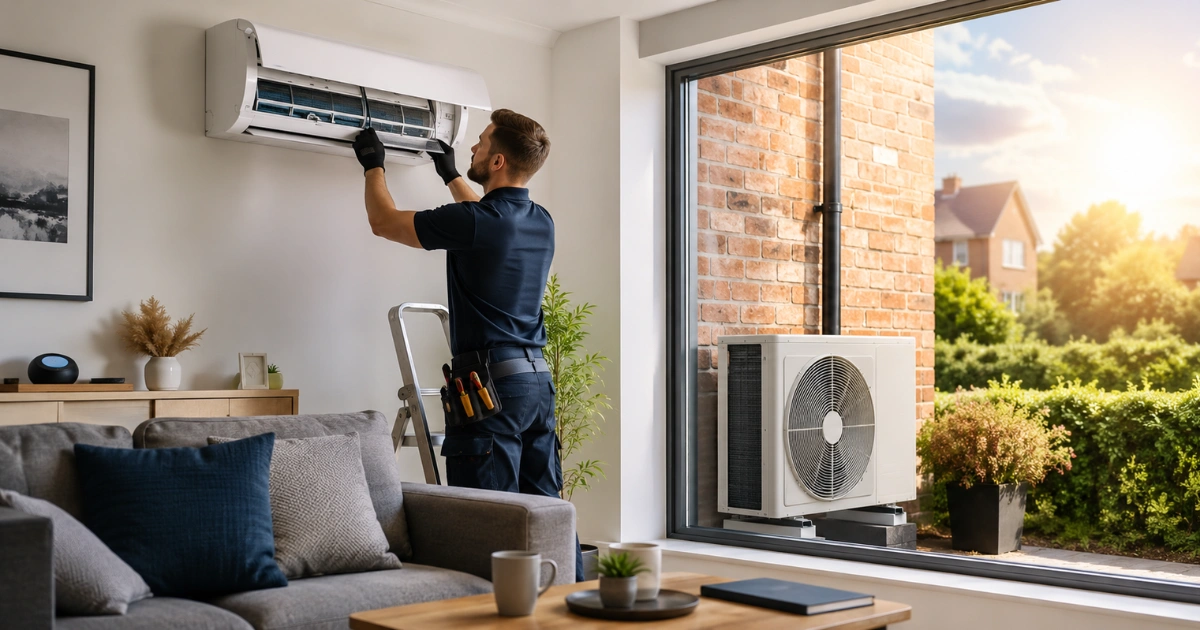
Several factors can influence how long your system lasts.
Regular Maintenance
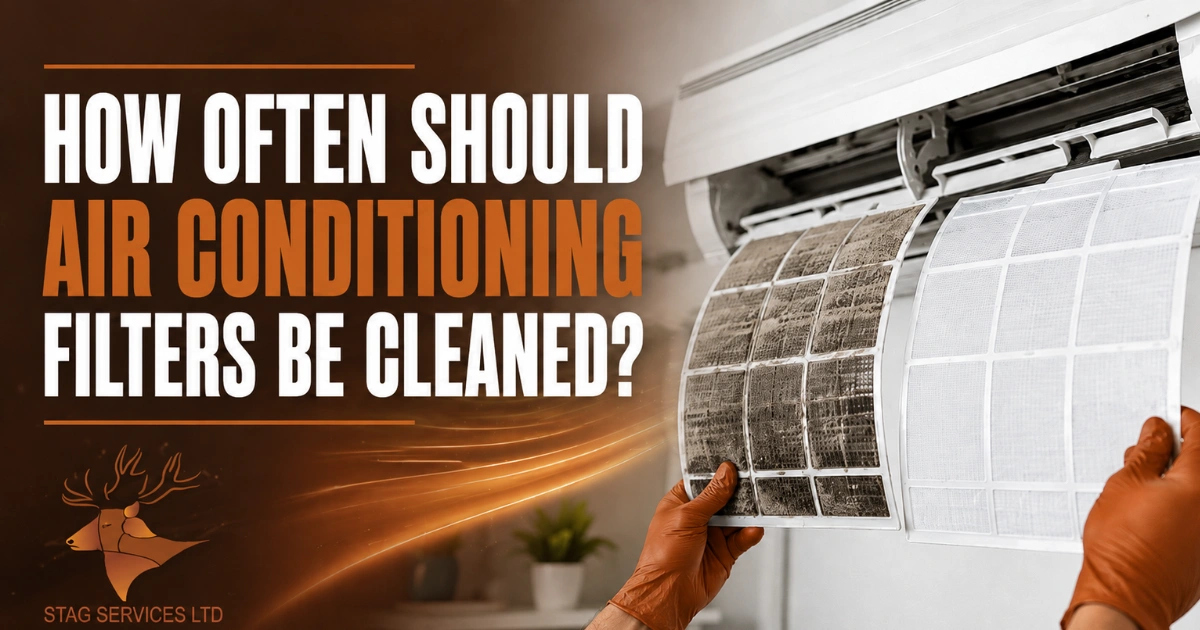
Regular servicing helps keep important components clean and working correctly. Cleaning filters, checking coils, inspecting electrical components and checking system performance can help prevent small problems from becoming major faults.
You should also follow the manufacturer’s maintenance recommendations for your particular system.
How Often You Use It
An air conditioner that runs for long periods throughout the year experiences more wear than a system that only operates occasionally.
Heavy use can place additional strain on components such as fans, compressors and motors.
Quality of Installation
Correct installation plays an important role in the lifespan of an air conditioning system.
An incorrectly sized system may run for longer than necessary, while poor installation can create performance and reliability problems. A professional survey and correct installation can help your system operate efficiently from the start.
The Local Climate
Outdoor conditions also affect your air conditioner. Systems that regularly operate in very hot or humid conditions have to work harder to maintain the required indoor temperature.
In the UK, extreme heat usually occurs for shorter periods, but prolonged summer use can still increase wear on an older system.
Signs Your Air Conditioner May Need Replacing
Age alone doesn’t mean you need a new air conditioner. However, replacement becomes worth considering when an older system develops repeated problems.
Look out for:
- Frequent repairs can become expensive when an older system needs attention repeatedly.
- Poor cooling or heating can indicate that the system no longer performs as efficiently as it once did.
- Rising energy bills can suggest that an ageing unit has become less efficient.
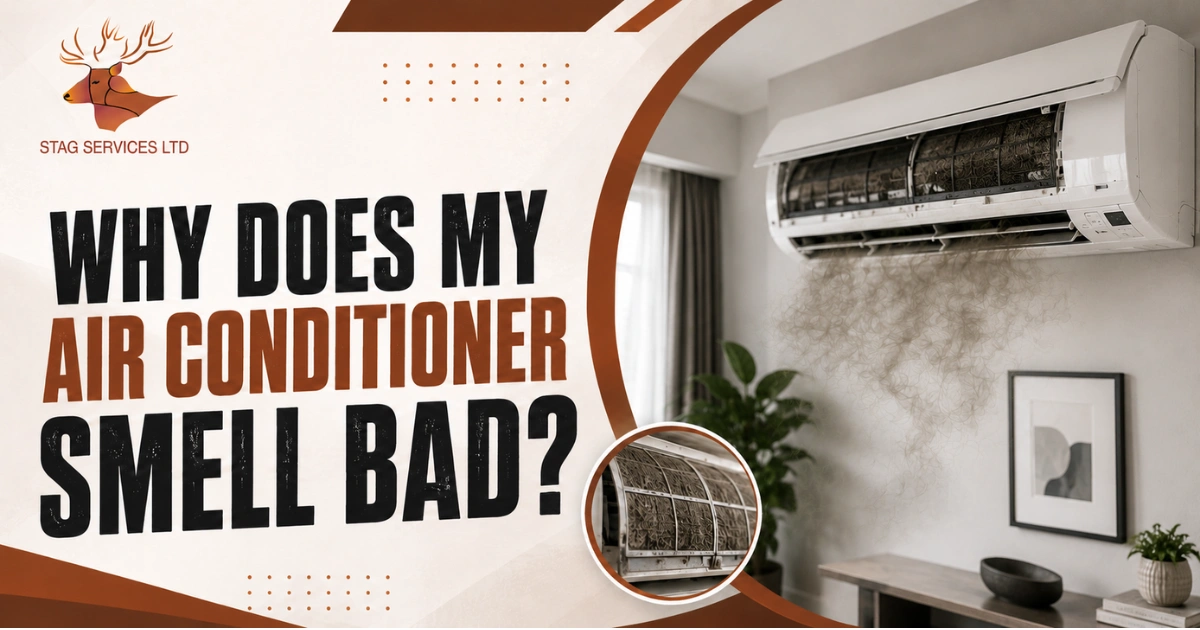
- Unusual noises or smells can indicate worn or failing components.
- Repeated breakdowns can make replacement more practical than continued repairs.
If your system still works well and operates efficiently, regular servicing may allow you to keep using it for several more years.
Should You Replace an Air Conditioner Before It Breaks Down?
Not always.
If an older system works reliably and your running costs remain reasonable, replacing it immediately may not make financial sense.
However, you may want to consider replacement if your system is approaching the end of its expected lifespan and requires increasingly expensive repairs.
Technology is another reason to consider an upgrade. Newer air conditioning systems can offer improved energy efficiency, better controls, quieter operation and features that older systems simply don’t have.
As manufacturers continue to improve air conditioning technology, newer models can provide more efficient cooling and heating while using less energy. This means you don’t necessarily need to wait for an old system to fail completely before considering an upgrade.
How Can You Make Your Air Conditioner Last Longer?
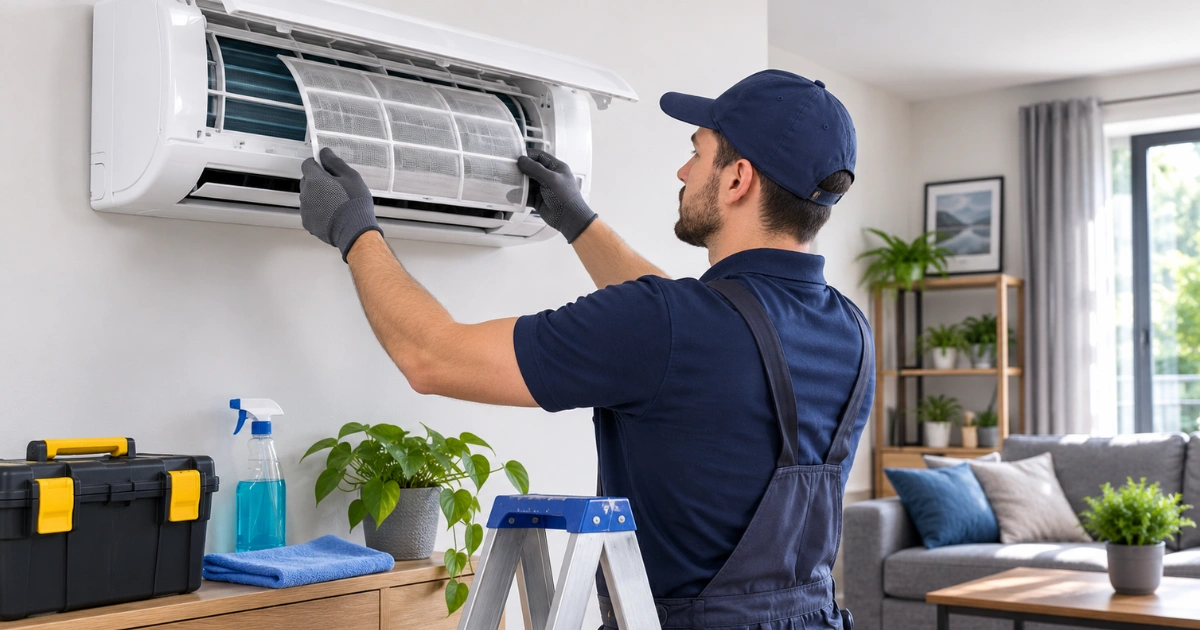
Simple maintenance can help protect your investment.
- Clean or replace the filters at the recommended intervals to maintain good airflow.
- Arrange professional servicing regularly so an engineer can identify developing faults early.
- Keep the outdoor unit clear of leaves, dirt and other debris that can restrict airflow.
- Deal with unusual noises, leaks or cooling problems quickly rather than allowing them to develop.
- Use the system correctly and follow the manufacturer’s operating and maintenance instructions.
Repair or Replace: Which Is Better?
The right decision depends on the age, condition, efficiency and repair history of your system.
A relatively young system with a minor fault may make more sense to repair. An older system that needs repeated repairs and has poor energy efficiency may provide better long-term value if you replace it.
An experienced air conditioning engineer can assess the condition of your system and explain your options before you make a decision.
Final Words
Most standard air conditioning systems can last around 15 to 20 years with proper care, but several factors can shorten or extend that lifespan.
Regular servicing, correct installation and sensible use can help your system operate efficiently for longer. At the same time, improvements in air conditioning technology mean that replacing an older system can sometimes reduce running costs and give you access to more efficient controls and modern features.