An air conditioner might fail to cool properly due to clogged filters restricting airflow, a dirty outdoor condenser unit covered in debris, low refrigerant levels from a leak, or a faulty thermostat. These common issues force the system to work harder, resulting in warmer air.
In this guide, we’ll explain the most common reasons an air conditioner stops cooling properly, the checks you can safely carry out yourself, and when it’s time to contact a qualified engineer.
How Does an Air Conditioner Cool Your Property?
Before looking at possible faults, it helps to understand how your system works.
An air conditioning unit doesn’t create cold air. Instead, it removes heat from inside your property and transfers it outdoors using a refrigeration cycle.
The main components include:
- Indoor unit that absorbs heat from the room.
- Outdoor condenser unit that releases heat outside.
- Refrigerant that carries heat through the system.
- Compressor that circulates the refrigerant.
- Expansion valve that regulates pressure.
- Air filters that keep dust away from the evaporator coil.
- Thermostat that controls the desired temperature.
If any one of these components isn’t working correctly, the system may continue running but fail to cool the room effectively.
Signs Your Air Conditioner Is Not Cooling Properly
Cooling problems often develop gradually before they become obvious.
Common signs include:
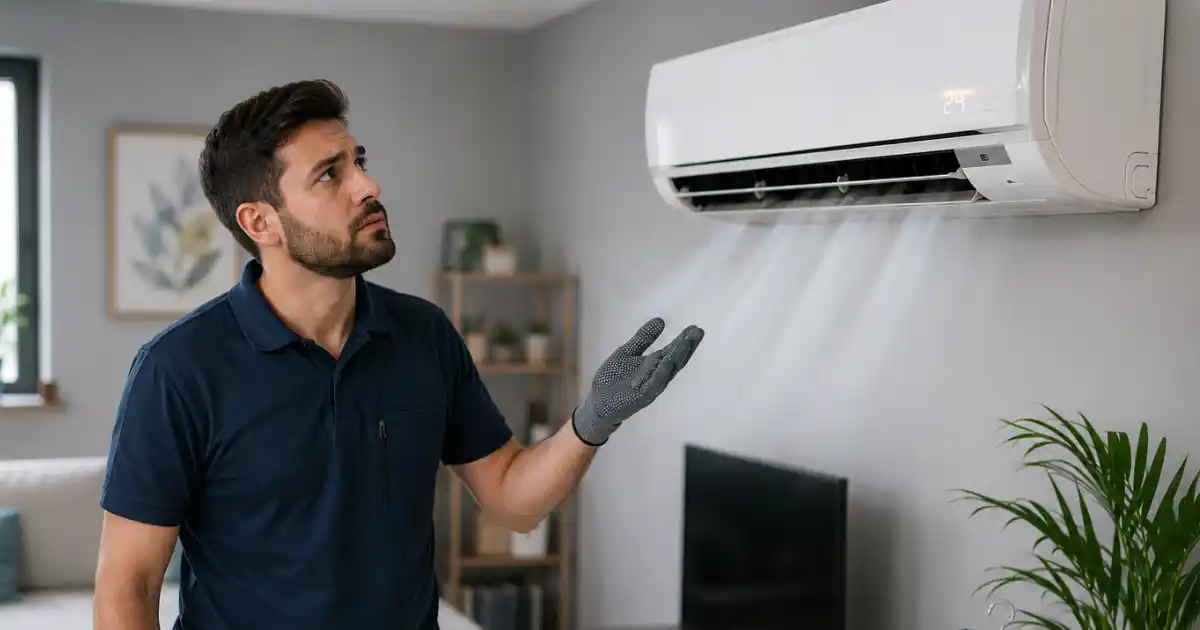
- Warm air coming from the indoor unit.
- Rooms taking much longer to cool.
- The system runs continuously without reaching the set temperature.
- High electricity bills.
- Weak airflow from the vents.
- Ice forming on the indoor unit.
- Water leaking indoors.
- Unusual noises or vibrations.
- Bad smells when the unit is running.
- Different rooms cooling unevenly.
Common Reasons Your Air Conditioner Isn’t Cooling Properly
Dirty or Blocked Air Filters
This is one of the most common reasons an air conditioner loses cooling performance.
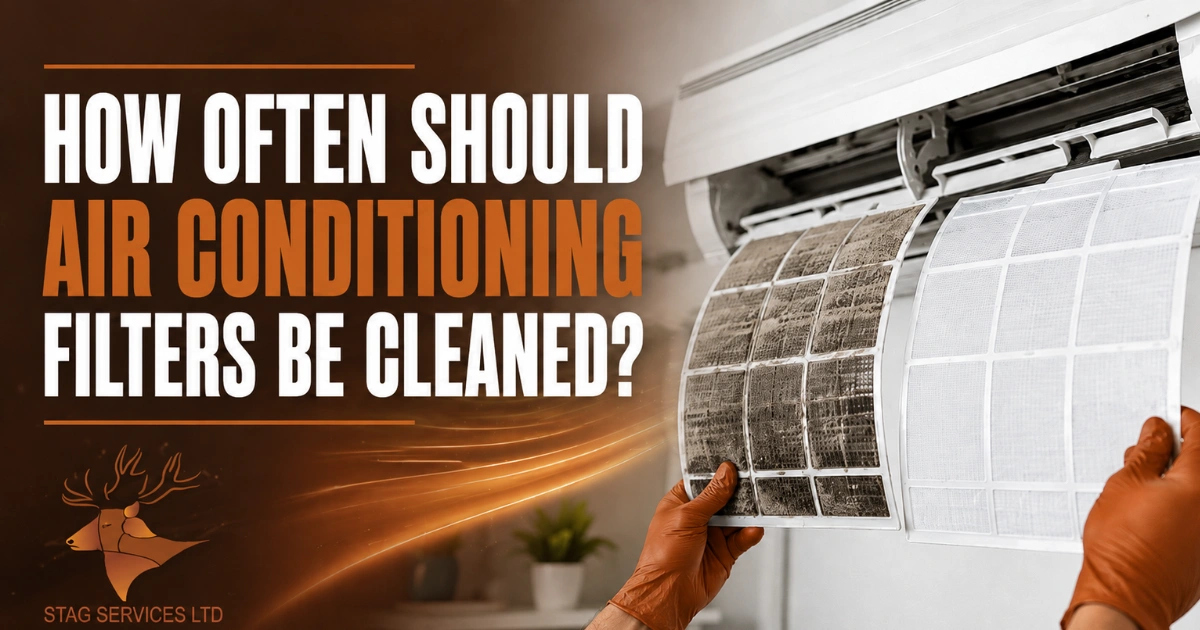
Air filters collect dust, pollen, pet hair, and airborne particles before they reach the internal components. Over time, these filters become clogged, reducing airflow through the system.
Restricted airflow means less warm air reaches the evaporator coil, making it harder for the unit to remove heat efficiently.
Common Symptoms
- Weak airflow.
- Longer cooling times.
- Higher running costs.
- Indoor unit feels cold but room stays warm.
- Ice appearing on the evaporator coil.
What You Can Check
If your system allows safe access to the filters:
- Turn the unit off.
- Remove the front cover.
- Inspect the filters for dust.
- Clean reusable filters according to the manufacturer’s instructions.
- Allow them to dry fully before reinstalling.
Never operate the system without the filters fitted.
Incorrect Thermostat Settings
Sometimes the problem isn’t mechanical at all.
Accidental changes to the thermostat or remote control settings can prevent the system from cooling correctly.
Common issues include:
- Heating mode selected instead of cooling.
- Fan mode enabled.
- Temperature set too high.
- Eco mode limiting performance.
- Timer settings overriding manual operation.
What to Check
Ensure:
- Cooling mode (snowflake symbol) is selected.
- The temperature is set several degrees below the current room temperature.
- Fresh batteries are installed in the remote.
- The thermostat is not located near heat sources or direct sunlight.
These simple checks often solve the problem without the need for a repair.
Refrigerant Levels Are Low
Refrigerant is essential for transferring heat from inside your property to the outdoor unit.
Unlike fuel, refrigerant isn’t consumed during normal operation. If levels become low, there is usually a leak somewhere in the system.
Common Symptoms
- Air feels only slightly cool.
- Ice forming on refrigerant pipes.
- Hissing sounds.
- Longer cooling cycles.
- Reduced efficiency.
- Increased electricity bills.
A refrigerant leak should always be repaired by an F-Gas qualified engineer. Simply adding more refrigerant without fixing the leak will only provide a temporary solution.
Dirty Outdoor Condenser Unit
The outdoor unit releases heat removed from your property.
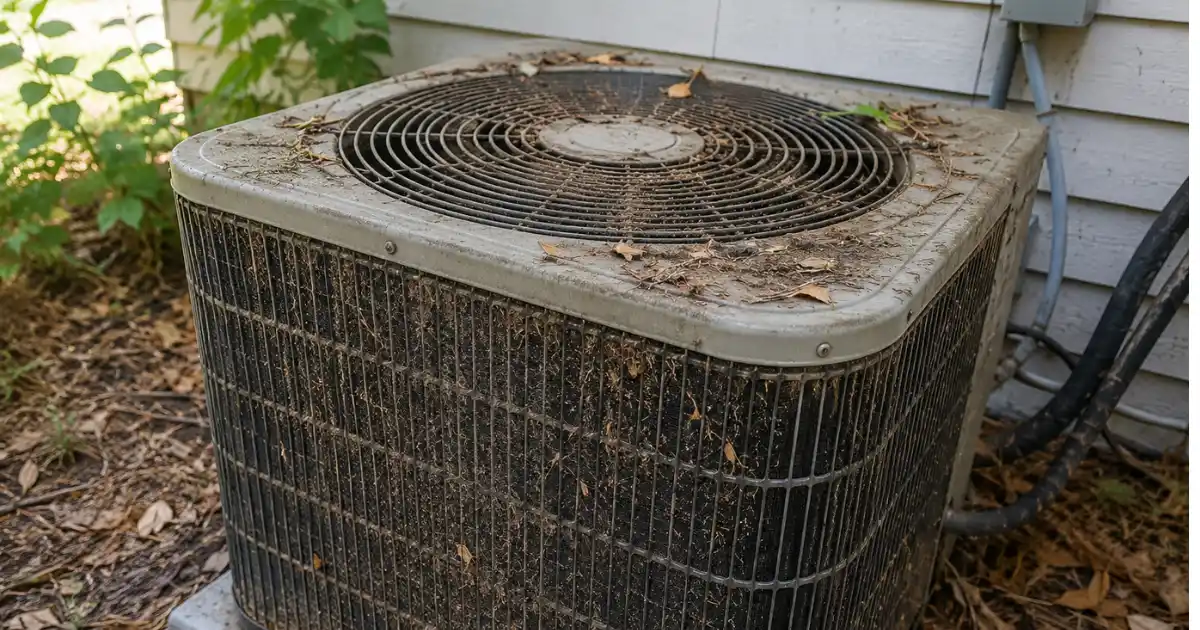
If it’s covered in dirt, leaves, grass, or other debris, airflow becomes restricted and the system struggles to release heat efficiently.
This often causes the air conditioner to run for longer while delivering less cooling.
Check For
- Leaves blocking airflow.
- Garden waste around the unit.
- Overgrown shrubs.
- Dirt on the condenser fins.
- Objects stored too close to the unit.
Keeping at least 300 mm of clear space around the condenser helps maintain proper airflow.
Avoid using pressure washers, as they can damage the delicate aluminium fins.
Frozen Evaporator Coil
Many homeowners assume ice means the air conditioner is working harder.
In reality, a frozen evaporator coil usually indicates a fault.
Ice prevents the coil from absorbing heat properly, so cooling performance drops significantly.
Common causes include:
- Dirty filters.
- Low refrigerant.
- Blocked airflow.
- Faulty fan motor.
- Running the system continuously at very low temperatures.
If you notice ice on the indoor unit, switch the system off and allow it to thaw before arranging an inspection.
Poor Airflow Due to Blocked or Closed Vents
Even if your air conditioning system is working correctly, blocked airflow can make it feel like it’s isn’t cooling your property.
Furniture, curtains, storage boxes, or closed vents can prevent cool air from circulating properly. In commercial buildings, blocked ceiling vents or changes to office layouts can also affect airflow.
Signs of Restricted Airflow
-
- Some rooms remain warm while others cool quickly.
- Weak airflow from the indoor unit.
- Hot and cold spots around the property.
- The system runs for long periods without reaching the set temperature.
What You Can Check
Walk around the room and make sure:
- Indoor vents are fully open.
- Furniture isn’t blocking the airflow.
- Curtains aren’t hanging in front of the unit.
- Ceiling vents are free from dust and obstructions.
Good airflow helps your system cool more efficiently while reducing energy consumption.
Faulty Indoor or Outdoor Fan
Your air conditioning system relies on two fans.
The indoor fan distributes cool air around the room.
The outdoor fan removes heat from the condenser.
If either fan stops working correctly, cooling performance will drop significantly.
Common Symptoms
- Weak airflow.
- Outdoor unit unusually quiet.
- Strange rattling or grinding noises.
- System runs but rooms never cool.
- Outdoor unit becomes excessively hot.
Fan problems can result from worn bearings, failed motors, damaged blades, or electrical faults. These components should always be inspected by a qualified engineer.
Compressor Problems
The compressor is often described as the heart of an air conditioning system.
Its job is to circulate refrigerant between the indoor and outdoor units. If it fails, the refrigeration cycle cannot operate correctly, meaning little or no cooling is produced.
Signs of Compressor Failure
- Warm air from the vents.
- Outdoor unit starts then stops.
- Clicking or buzzing noises.
- Circuit breaker trips repeatedly.
- System struggles to maintain temperature.
Compressor faults are usually more expensive than routine repairs, which is why regular servicing is so important. Early maintenance can often identify problems before major damage occurs.
Electrical Problems
Modern air conditioning systems contain several electrical components that control operation.
A fault with any of these parts can reduce cooling performance or stop the system working altogether.
Possible issues include:
- Loose electrical connections.
- Failed capacitors.
- Damaged contactors.
- Faulty circuit boards.
- Blown fuses.
- Tripped circuit breakers.
Electrical faults should never be investigated by anyone who isn’t qualified. Switching the system off and contacting an engineer is always the safest option.
Dirty Evaporator or Condenser Coils
Over time, dust and dirt build up on the coils inside your air conditioning system.
When this happens, heat transfer becomes less efficient.
The result is:
- Reduced cooling.
- Longer running times.
- Increased electricity bills.
- Extra strain on the compressor.
Professional servicing includes cleaning these coils safely without damaging the delicate fins.
Air Conditioner Is Too Small for the Room
Sometimes there isn’t a fault at all.
The system may simply be too small for the space it’s trying to cool.
This commonly happens after:
- Home extensions.
- Loft conversions.
- Office refurbishments.
- Open-plan renovations.
- Increased occupancy.
If the unit isn’t correctly sized, it may run continuously but never achieve the desired temperature.
At Stag Services Ltd, we carry out a detailed survey before installation to ensure every system is correctly sized for the room, helping customers avoid higher running costs and poor performance.
Lack of Regular Servicing
One of the biggest reasons air conditioners stop cooling efficiently is a lack of maintenance.
Many systems operate for years without being serviced. During this time, dirt accumulates, components wear, and small faults develop into expensive repairs.
Routine servicing helps to:
- Maintain cooling performance.
- Improve energy efficiency.
- Reduce running costs.
- Detect refrigerant leaks early.
- Extend system lifespan.
- Maintain manufacturer warranties.
- Reduce the risk of unexpected breakdowns.
For both homeowners and businesses, annual servicing is one of the best ways to protect your investment.
Safe DIY Checks Before Calling an Engineer
There are a few simple checks you can carry out before arranging a repair.
- ✔ Check the thermostat settings.
- ✔ Replace the remote control batteries.
- ✔ Clean or inspect the air filters.
- ✔ Ensure vents aren’t blocked.
- ✔ Check that doors and windows are closed.
- ✔ Inspect the outdoor unit for leaves or debris.
- ✔ Reset the system if recommended by the manufacturer.
- ✔ Look for obvious signs of ice or water leaks.
If these checks don’t resolve the problem, it’s time to arrange a professional inspection.
When Should You Call an Air Conditioning Engineer?
Some problems require specialist equipment and should never be repaired yourself.
Contact a qualified engineer if:
- The system blows warm air continuously.
- Ice repeatedly forms on the unit.
- You suspect a refrigerant leak.
- The compressor won’t start.
- Water is leaking indoors.
- Electrical breakers continue to trip.
- The system makes unusual noises.
- Cooling performance suddenly drops.
Attempting complex repairs without the proper qualifications can make the problem worse and may also invalidate the manufacturer’s warranty.
How Much Does Air Conditioning Repair Cost?
The cost of repairing an air conditioning system depends on several factors, including:
- The type of fault.
- Replacement parts required.
- System size.
- Accessibility.
- Whether refrigerant is needed.
- The age of the equipment.
Simple issues such as replacing filters or adjusting settings are generally inexpensive, while compressor or refrigerant-related repairs are more complex. A professional inspection is the best way to identify the fault and provide an accurate quotation.
How Professional Servicing Prevents Cooling Problems
Many of the issues covered in this guide can be avoided through routine servicing.
During a typical service, an engineer will:
- Clean the indoor and outdoor units.
- Inspect electrical components.
- Test refrigerant pressures.
- Check system performance.
- Clean or replace filters.
- Inspect condensate drainage.
- Test operating temperatures.
- Identify worn components before they fail.
Regular servicing helps your air conditioning system operate efficiently throughout the year while reducing the likelihood of unexpected repairs.
Frequently Asked Questions
Why is my air conditioner running but not cooling?
This is often caused by dirty air filters, incorrect thermostat settings, low refrigerant levels, blocked airflow, or a fault with the compressor or fan. A professional inspection can identify the exact cause.
Why is my air conditioner blowing warm air?
Your system may be set to heating or fan mode, have a refrigerant leak, a faulty compressor, or an electrical issue. Start by checking your thermostat settings before contacting an engineer.
Can a dirty filter stop my air conditioner from cooling?
Yes. A clogged air filter restricts airflow, making it difficult for your system to remove heat efficiently. Cleaning or replacing filters regularly helps maintain good performance.
How often should air conditioning filters be cleaned?
For most homes, filters should be checked every one to three months. Commercial systems or properties with pets, higher occupancy, or dusty environments may require more frequent cleaning.
Why is my air conditioner freezing up?
Ice usually forms because of poor airflow, dirty filters, low refrigerant, or a faulty fan motor. Turn the unit off and allow it to defrost before arranging a professional inspection.
Is it safe to keep running an air conditioner that isn’t cooling?
No. Continuing to operate a faulty system can increase energy bills and place additional strain on important components, potentially leading to more expensive repairs.
How do I know if my air conditioner has a refrigerant leak?
Common signs include reduced cooling, ice on the indoor unit, hissing sounds, and longer cooling cycles. Refrigerant should only be handled by a qualified F-Gas certified engineer.
Can low refrigerant be topped up?
Refrigerant shouldn’t simply be topped up. If the level is low, there is usually a leak that must be located and repaired before the system is recharged.
Why does my air conditioner cool one room but not another?
This could be caused by blocked airflow, incorrect unit sizing, poor room layout, or issues with ducting in larger systems. A professional survey can identify the cause.
How long should an air conditioner take to cool a room?
Most correctly sized systems begin producing cool air within a few minutes and noticeably reduce the room temperature within 15 to 30 minutes, depending on the size of the space and outdoor conditions.
How often should air conditioning be serviced?
Most residential systems should be serviced once a year. Commercial systems that operate for longer hours or in demanding environments may require servicing every six months.
Can an old air conditioner lose cooling performance?
Yes. As systems age, components wear out and efficiency naturally declines. Regular servicing helps maintain performance, but older units may eventually need replacing.
Will cleaning the outdoor unit improve cooling?
Keeping the outdoor unit free from leaves, dirt, and debris helps maintain airflow and allows heat to dissipate more efficiently. However, deep cleaning should be carried out by a professional.
Does hot weather affect air conditioning performance?
Air conditioners are designed to operate in warm conditions, but extremely high outdoor temperatures can reduce efficiency, especially if the system is undersized or poorly maintained.
Should I repair or replace my air conditioner?
This depends on the age of the system, the cost of repairs, energy efficiency, and the condition of major components. An experienced engineer can advise whether repair or replacement offers better long-term value.
Final Words
There are many reasons why an air conditioner may stop cooling properly, ranging from simple maintenance issues to more complex mechanical faults. While checking the thermostat, cleaning the filters, or removing debris from the outdoor unit can sometimes resolve the problem, persistent cooling issues should always be assessed by a qualified engineer.
Ignoring the warning signs can lead to higher energy bills, reduced comfort, and more costly repairs in the future. Regular servicing is one of the most effective ways to keep your air conditioning system operating efficiently and extend its lifespan.
If your air conditioner is no longer cooling as it should, Stag Services Ltd is here to help. With more than 30 years of experience, we provide professional air conditioning repairs, servicing, and installations.
Contact us today to arrange an inspection and let our experienced engineers get your system back to delivering reliable, energy-efficient cooling.